
How Painful is the Dental Implant Process?

Dental Implant

Patients that choose to move forward with the dental implant process wonder how painful the procedure will be. Dental implants look and feel natural in the mouth, and are a great restorative solution for those that have missing, cracked, or broken teeth. Our customized treatment plans work for each patient’s needs, and we work closely with our patients every step of the way.

Overall, the implant process is not painful. Many patients say that the dental implant process is less painful than having a tooth pulled. To keep patients comfortable we use local anesthesia and numb the gums around the implant area. Our team also checks to make sure each patient has enough bone present in their jaw to support their new implants. If necessary, bone grafting can be done to give patients the bone required in their jaw. This is an extra step in the process and does require additional healing.

How Is the Implant Healing Process?

The healing process for dental implants takes between 4-6 months. Antibiotics may be recommended to patients, as well as pain relievers to help with the healing process.

After Your Implant Procedure You May Have the Following

  • Minor bleeding that should subside after a day or two.
  • Minor swelling or bruising around the face and implant area.
  • Some pain or sensitivity around the implant area.

If patients notice any pain, swelling, or bleeding that does not subside, or gets progressively worse we encourage you to contact our office immediately. You will need to be seen in our office as soon as possible. During the healing process soft foods are recommended, and patients should stay away from foods or drinks that may stain your teeth.

Dental implants can last up to 25 years or a lifetime if they are cared for properly. The pain associated with the dental implant process can be kept at a minimum by following the at home care instructions. Implants are a great choice for patients seeking a beautiful smile that is permanent and will last for years.

Interested in Finding Out More?

To find out more, scheduling your implant consultation is the first step towards a beautiful smile. Our team is available to answer any questions, and our detailed consultation process allows our team to take a close look at your mouth and teeth. We will build a customized treatment plan and get you on the road to a beautiful smile.

To schedule your implant consultation contact our office, and our friendly staff will be happy to assist you!

Does Jaw Surgery Correct Sleep Apnea

Sleep Apnea

Most often patients turn to jaw surgery to correct their appearance, or to improve speaking and chewing. Many don’t realize that jaw surgery can also help patients that suffer from obstructive sleep apnea.

Obstructive sleep apnea is when a patient stops breathing while sleeping and tends to gasp for air. This happens when the muscles and jaw bones aren’t working together to support the airway. Common symptoms of sleep apnea include fatigue, loud snoring, headache, and constantly feeling sleepy.

How Can Jaw Surgery Help And Who is a Good Candidate?

Jaw surgery can help patients and realigns the jaw and teeth. This opens up the airway and allows the patient to sleep soundly. Many patients wonder if they are a good candidate for jaw surgery. We recommend patients go through our consultation process which includes a detailed examination of your mouth, teeth, and jaw bones. Our team will take x-rays to evaluate the details of your jaw and mouth.

Common Factors That Indicate You Are a Good Candidate

  • People suffering from sleep apnea
  • Jaw deformities
  • Underbite issues
  • Other bite issues
  • Jaw asymmetries

How Does Jaw Surgery Work?

Corrective jaw surgery is done using general anesthesia. During the surgery our doctor will make an incision in the gums and around the jaws. This gives access to the bones underneath. The bones are then repositioned appropriately using splints. Small plates or screws are used to stabilize the bones in place. The area is then stitched with dissolvable stiches.

If you suffer from sleep apnea, jaw surgery may be right for you. Many patients come back after surgery and rave about how their life has changed, and they can sleep peacefully.

What Can I Expect During Recovery?

After jaw surgery we typically require patients to stay overnight in the hospital. They then return home to recover and relax. We recommend patients follow a liquid diet for six weeks after the surgery. This will help the jaw and mouth to heal properly. Heavy lifting of anything is not recommended, and normal everyday tasks are perfectly fine.

After two weeks patients can begin light exercise, but should refrain from heavy exercise until six weeks after surgery.

What Can I Do To Prevent Sleep Apnea?

With sleep apnea weight is a common risk factor. We recommend patients exercise daily and eat a healthy diet. There are nonsurgical treatments such as the continuous positive airway pressure machine or CPAP mask to help limit symptoms. This is not a permanent solution, but another way for patients to alleviate symptoms at home.

Looking to Find Out How Jaw Surgery Can Benefit You?

If you suffer from sleep apnea and are interested in finding out how jaw surgery can benefit you, contract our office to schedule a consultation. Our detailed consultation process will allow our team to determine a treatment plan, and answer any questions you may have. Your health is our priority, let our team help get you on the road to better sleep.

To schedule your consultation please contact our office and our staff will be happy to assist you!

Are Dental Implants Noticeable?

Dental Implant

If you have missing, damaged, or broken teeth and are looking for the perfect restoration solution, dental implants may be the right choice for you. Dental Implants are a permanent solution and are durable and long lasting. Implants function like natural teeth, and allow patients to speak and eat normally. Implants are comfortable and do not slip or click like other restorative options.

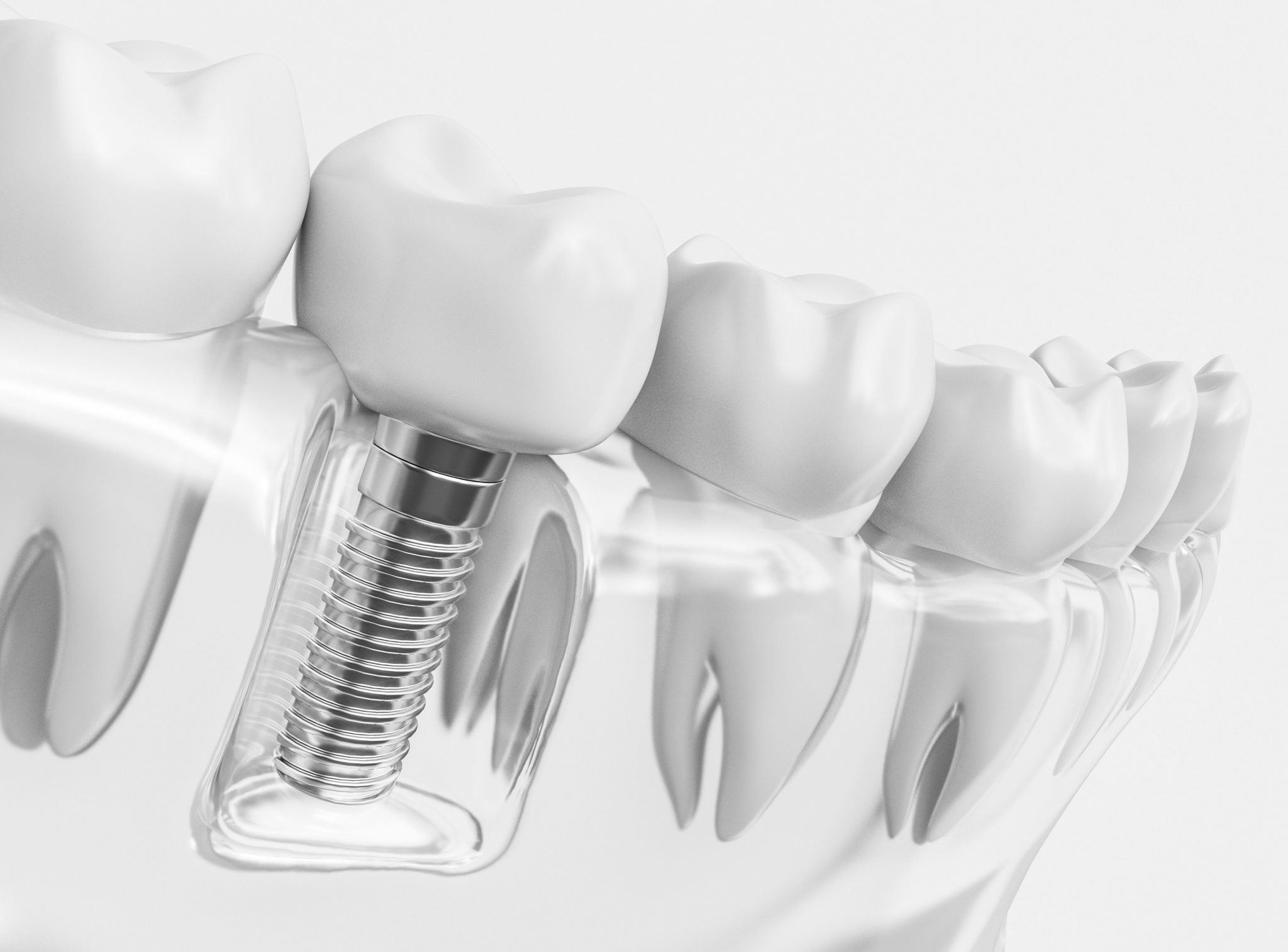
Your bright white natural smile will be noticeable and will look natural. Implants act like an artificial tooth root and are made of titanium. Implants are placed into the jawbone and act like a screw. This provides the base for one or many crowns. Custom crowns are made to match the color and shape of your natural teeth giving patients a natural white smile.

As part of the implant consultation process we will check to make sure all patients have enough bone present in the jaw to support the new implants. If needed, bone grafting can be done to add the support that is needed. This helps to create that strong base that is required for the implants.

Once the implants are placed, an abutment or connector is set on top of the implant to hold the crown in place. Temporary crowns may be used until the permanent crowns are ready to be installed.

Benefits of Dental Implants

  • Provide patients with a natural looking smile and functions like natural teeth.
  • Provide long term value financially.
  • Implants are permanent and do not slip or click like other solutions.
  • Implants preserve the natural bone in the mouth, and this helps to stimulate new bone growth.
  • Dental implants are built to last upwards of 25 years, but can last a lifetime if they are cared for properly.

Interested in Finding Out More?

If you are interested in finding out if dental implants are right for you, we encourage you to set up your initial implant consultation in our office. This will give our team the opportunity to take a detailed look at your teeth and mouth, and discuss treatment options. We also will develop a customized treatment plan, and answer any questions or concerns you may have with the dental implant process.

Dental implants can be life changing, and can allow patients to live a normal healthy life eating and drinking as they would with natural teeth. Taking that first step is worth it to achieve that beautiful smile you have always wanted.

To schedule your implant consultation please call our office and our friendly staff will be happy to assist you.

What is an Apicoectomy and Why Do I Need it?

Root Canal

Root canals are a common procedure and have a success rate of 95%. There are procedures in place that can help your root canal last such as placing the crown immediately following the root canal. It is also important to practice good oral hygiene habits after your root canal at home.

There are some cases where patients do have an issue after their root canal is complete. Even though it is unlikely, root canals can fail. Failed root canals can be due to cracks in or around the root area, or from an obstruction that can make cleaning the area difficult.

There are symptoms you can look out for that may indicate you may have an issue. These symptoms include sensitivity to hot or cold, swelling, or pain while chewing. If you experience any of these symptoms we urge you to call our office as soon as possible.

How Does an Apicoectomy Work?

If a patient has a blockage around the tooth that is preventing access to the root canal they may need an apicoectomy procedure. This procedure involves creating a small flap in the gum to access the root. The infected area is cleaned out and sealed to prevent further infection. This is a great way for our team to access the root area that has the blockage and save your tooth.

Other Treatment Options

Retreatment

The most common option for failed root canals is retreatment. This involves removing the original filling, and cleaning and disinfecting the canal. The area is then resealed to prevent further infection. This treatment has the highest success rate.

Extraction

If both the apicoectomy and retreatment are not effective, removing the tooth is the last resort. With this option dental implants can be used to fill the empty space where the tooth was extracted.

Our team works closely with each patient to determine the severity and treatment options for a root canal failure. We want to choose the best option to save your tooth. Your health is our priority and we strive to provide the highest level of care for all of our patients.

Interested In Finding Out More?

If you are interested in finding out more about root canal therapy and treatment options for failed root canals, we encourage you to schedule an appointment. If you are experiencing symptoms of a failed root canal please do not hesitate to call our office. You should be seen as soon as possible.

To schedule your appointment contact our office, and our friendly staff will assist you.

Why is it Necessary to Perform Underbite Surgery?

Oral Surgery

A normal bite is when both the upper and lower jaws align perfectly. The upper teeth overlap the lower teeth, and the jaw functions normally. If alignment is off this causes a malocclusion or issue with your bite. With an underbite the lower jaw protrudes further out than the upper jaw.

What Can Cause an Underbite?

An underbite can be caused by a child using a pacifier or thumb sucking. Most underbites are genetic and run in families. Irregularities in jaw size and shape cannot be prevented and require professional help.

An underbite can cause issues with chewing or speech, and can even cause decay. Tooth enamel can be lost where the teeth overlap, and jaw pain is common with patients that have an underbite. We want our patients to feel confident about their smile, and we are always happy to help each patient get that smile they have always wanted.

How Can My Orthodontist Help?

Orthodontic treatment for an underbite is common. Part of our detailed consultation process is to take a detailed look at your mouth, teeth, and skeletal structure. Depending on the severity of the underbite will determine the treatment plan. We look at severity, the patient’s age, and potential cause of the underbite.

If your child shows signs of an underbite, we recommend parents bring their child in by the age of seven. Early intervention is always best, and allows our team to get in front of any underbite issues at an early age.

In many cases braces can help reposition the lower teeth. Dental extractions may also be necessary to make room. Other appliances such as expanders can be used to help correct bone development. Unfortunately, braces and appliances are typically not enough for every patient that has an underbite.

When Is Surgery Necessary?

An oral surgeon can help correct an underbite by reshaping and repositioning the jawbone. This type of surgery is called orthoganic surgery. This surgery can help to lengthen or shorten the lower jaw depending on the severity. In some cases bone may need to be added or removed. Small plates or screws are used if necessary to stabilize the bone after surgery.

Surgery is usually recommended to correct an underbite for patients that are in their late teens or adults, and their jaw bones are already fully formed.

Interested in Finding Out More?

Our goal is to provide each patient with a healthy bite that functions normally. If you are interested in finding out more about how oral surgery can help your underbite, we encourage you to schedule a consultation with us. Underbite surgery can give you confidence, and make you happier with your appearance. Our team is here to help correct your smile and get you the results you want.

To schedule your oral consultation please contact our office, and our staff will be happy to assist you!

Are There any Differences Between Mouth Washes?

oral health

Mouthwash is used to help rinse away bacteria or food particles after you brush and floss each day. Using mouthwash is an additional way to help protect your teeth and gums. Knowing the differences between mouthwashes can help you choose the right one to incorporate into your oral hygiene routine.

What Are The Different Types of Mouthwashes Available?

Mouthwash With Fluoride

Fluoride mouthwash contain sodium fluoride, and this helps to protect your teeth from decay and cavities. Fluoride is also found in toothpaste and is added to our tap water. Only using the required amount each day is important because too much fluoride can be harmful to your health. Reading the labels can help to ensure you are only using the appropriate amount that is recommended daily.

Antiseptic Mouthwash

Antiseptic mouthwash is the most common mouthwash used by most patients. This type of mouthwash contains alcohol and can help to stop bacteria in its tracks. Using an antiseptic mouthwash can help fight bad breath, and prevent infections. Patients must be careful using this type of mouthwash. Overuse can lead to stains or discoloration on your teeth. Following the recommended daily guidelines is important to keep your teeth and mouth healthy.

Cosmetic Mouthwash

This type of mouthwash is used to only freshen your breath. Cosmetic mouthwash does not do anything to help with your oral health. Using this type of mouthwash can help rinse food particles away, and is a temporary solution for bad breath.

Natural Mouthwash

Natural mouthwash is a common type of mouthwash that helps keep bacteria away and freshens your breath, but contains only natural ingredients. Natural mouthwash brands do not contain alcohol, and the ingredients are safer compared to other types of mouthwashes available.

During your routine cleaning it is important to discuss what products you are using at home including your mouthwash. Our team is available to access your dental health, and recommend the best mouthwash for you to use at home.

Interested in Finding Out More?

During your routine cleaning it is important to discuss what products you are using at home including your mouthwash. Our team is available to access your dental health, and recommend the best mouthwash for you to use at home.

If you are interested in finding out more about what mouthwash may be best for you, or to schedule your next exam, contact our office and our friendly staff will be happy to assist you.

How Can I Reduce My Costs for Dental Care?

family dentistry

Dental care can be costly, and simple procedures can even run up your bill. Caring for your teeth is necessary to keep your oral and general health in check. Many people have no dental benefits at all, or if they retire their benefits are lost.

Skipping dental care is not an option, and can lead to other more serious health issues such as diabetes, or heart conditions. There are ways you can reduce your dental care costs, and help pay for those costly procedures that are necessary to keep your teeth and gums healthy.

Ask Your Dentist if They Offer an In-House Membership Plan

Many dental practices today offer their own dental membership for patients. These plans act like an insurance plan, and give patients discounts on procedures that are done in their office. If a patient does not have insurance it is wise to inquire about an in-house plan to help keep costs down.

Sign Up for a Dental Plan Through Your Employer

Many companies offer both medical and dental insurance plans. Most plans pay for at least half of the cost, and preventative services are typically covered 100 percent. Routine procedures are usually covered around 80 percent, and larger more involved procedures such as crowns are usually covered at 50 percent. Using in-network providers can help you save money, and allow you to get the dental work you need.

Dental Savings Plan

Dental savings plans are available to participants who pay a fee to join. The fee is typically annual, and allows you to choose from a network of dentists that offer discounts for members. Dental savings plans allow patients to get the work done that they need at a discounted price without insurance.

Affordable Care Act

Patients can apply for health insurance through the Affordable Care Act. Logging on to their website can let you know if you qualify to purchase dental coverage.

Dental HMO Plan

A dental HMO plan may be available in your state. Typically cleanings and exams twice a year are covered, and procedures are at a discount. Many dentists participate and accept HMO plans, and this is a good way to help save on dental care.

Veterans Benefits

If you are a veteran you qualify to receive insurance at a reduced rate. Disabled veterans are also eligible for free dental care through the Department of Veterans Affairs.

Do Your Research

If you are required to have a costly procedure, research the average price of that procedure. Ask your dentist for a discount, and most likely they will work with you, and help find a price and payment plan that fits your needs.

Create an Emergency Dental Fund

Setting aside money each month for dental care can help cover procedures or emergencies that are unpredictable.  Knowing you have a savings account will put you at ease if an emergency arises and you need dental care.

Looking for an Affordable Dentist Near You?

Taking care of your oral health is a great way to prevent costly dental procedures. Brushing and flossing each day, and staying away from foods and drinks that contain sugar can help keep your teeth and gums healthy. Visiting our office regularly for exams and cleanings is extremely important to maintain your oral health. Regular visits allow our team to get in front of issues before they become urgent, and we can help you keep your teeth and mouth looking and feeling great.

We care about our patients, and our team is here to help take care of your oral health. Ask our team if you have questions on coverage or payment plans, and we will work with you to ensure you can receive the very best care.

To find out more about dental programs we offer, or to schedule your next dental exam, contact our office and our friendly staff will be happy to assist you.

What Can I Do About Receding Gums?

Receding Gums

What Can I Do About Receding Gums?

If not notice you have inflammation around your gums, or they are starting to recede it may be time to consult with a Periodontist. Gum recession should be treated to avoid further issues, or even tooth loss. Receding gums can be caused by periodontal disease or gum disease. Typically healthy gums are pink, but with gum recession the tissue is wearing away leaving more of your teeth exposed. Attending regular exams in our office, and practicing good oral hygiene habits can ensure you stay on top of receding gums, so they do not continue to get worse over time.

What Are Symptoms of Receding Gums?

You may notice any of the following if you have receding gums.

  • Swollen or red gums
  • Bad breath
  • Loose teeth
  • Bad taste in your mouth
  • Pain or tenderness around gums or mouth

What Causes Gum Recession?

Gum recession can be caused by multiple things. Themost common cause of gum recession isperiodontal disease or gum disease. Other causes can be old age, poor oral hygiene, or medicalconditions. Another factor could be the toothbrush you are using. Check to make sure you are using asoft bristle tooth brush,and make sure you are gently brushing at least twice a day. Abrasive brushescan actually damage your gums as you brush if you are not careful.

Other Causes of Gum Recession

  • Injury or trauma to the mouth
  • Teeth alignment issues
  • Smoking or tobacco use
  • Dentures that do not fit properly and rub on the gums
  • Teeth Grinding

What Are My Treatment Options for Receding Gums?

Our staff are trained to check each patient’s gum tissue. Gum recession happens gradually, and it is important to visit out office twice a year to stay on top of any potential issues. Our team can help you keep your gums in good condition and prevent them from getting worse.

Depending on how severe the gums are will determine the course of treatment recommended. We look at the tooth brush you are using and your oral hygiene habits. Using a daily rinse that helps to fight plaque or a dental pick can help to reach those hard areas.

If pockets have formed around the affected gums, patients can have a deep cleaning done called scaling and root planing. This treatment removes and cleans the plaque on the tooth and root surfaces. Scaling and root planing also helps to heal gum tissue and shrink periodontal pockets where bacteria hides. This treatment helps to prevent further infection, and keeps your gums looking and feeling healthy. Gums will recede less and this treatment helps to restore damaged gums.

How Can I Schedule an Appointment?

Taking charge of your oral health is the key to keeping your gums and teeth looking and feeling healthy. If you notice your gums are receding, and would like to find out more about gum recession treatment contact our office today.

Our office has flexible hours and we do our best to accommodate our patients. If you would like to make an appointment, contact our office and our friendly staff will be happy to assist you!

How Do I Help Tooth Pain?

Tooth Pain

If you think you may have a dental emergency it is important to know what to do to ensure your issue is addressed as soon as possible. Our office provides same day or next day appointments to accommodate our patients that need immediate treatment.

One of the most common dental emergencies that patients experience is tooth pain. There are tips you can try at home if the tooth pain does not go away while you wait for an appointment in our office. Pain is a way of our body sending a message that something is wrong. Typically, if patients experience pain this means there is a problem that must be addressed.

There are many causes for tooth pain such as tooth decay, issues with a filling, tooth fracture, or infection. If you have any of the below signs you may have an infection, and you must be seen right away.

  • Fever
  • Swollen or red gums
  • Blood or pus around tooth 
  • Throbbing pain that does not go away
  • Swollen or tender face or jaw

What Can I Do at Home to Relieve Tooth Pain?

There are remedies patients can use at home to help treat tooth pain while they wait to be seen in our office. These remedies can help reduce pain and keep you comfortable.

  • Take an anti-inflammatory such as ibuprofen.
  • Use a pain relief gel on the area.
  • Apply a cold compress covered with a cloth to the area to help reduce inflammation for 20 minutes each time.
  • If you have a hot compress this can also be used on the area to help relieve pain.
  • Peppermint tea bags can be used on the area and are known to help ease oral pain.
  • Clove oil can be used on the area and is known to help reduce inflammation or numb oral pain.

Looking to Make an Appointment to Address Tooth Pain?

If you have tooth pain that does not go away we recommend making an appointment to be seen in our office. Our staff will provide a thorough exam to help identify the cause and address your tooth pain. X-rays may be taken to get a closer look at the issue. We will recommend treatment options, and always address serious issues immediately. 

Patients can prevent tooth pain by practicing good oral hygiene habits at home. Brushing and flossing each day is important as well as eating a healthy diet, and avoiding high sugar foods or drinks. We also recommend to avoid hard food items that may cause a crack or injury to your teeth. Regular dental cleanings and exams in our office can help keep your mouth and teeth feeling great.

If you have tooth pain and would like to make an appointment, please call our office and our staff will make sure you are seen as soon as possible!

Is Oral Surgery Worth It?

Oral Surgery

You may have been recommended to have oral surgery, and are concerned if you should go through with it or not. Oral surgery has many benefits, and patients need to weigh their options. Our staff will only recommend oral surgery if it is absolutely necessary, or if the patient is unhappy with their mouth, jaw, or smile. 

Our team is here to work with each patient to address their goals, and to keep your teeth and mouth healthy and feeing great. We have an extensive consultation process to discuss all oral surgery options or recommendations. Our team will work with each patient to help them choose the best option.

Why Do You Need Oral Surgery?

When a patient is evaluating their oral surgery decision, it is important to think about why you need the oral surgery. If the surgery is to correct a serious condition or complex issue this should weigh into your decision. Oral surgery does involve recovery, but your oral health is more important than the time it takes for the surgery and recovery. 

With our high end technology, our patients receive the very best care. Your surgery can be done quickly and with minimal recovery depending on what is required. Our staff is available to provide you with all of the necessary support and supplies for a successful oral surgery.

What Are Your Alternatives to Oral Surgery?

When deciding to have oral surgery many patients would like to discuss if there are any alternatives instead of surgery. Part of our evaluation process is to discuss what alternatives are available, and give our patients all of their options. For example, if you have issues with snoring we may advise you try a night time mouthguard to help before we explore corrective surgery. 

In some cases there are no alternatives to oral surgery, and the situation is serious and needs to be addressed immediately. An example of this type of situation would be an impacted tooth or an infected tooth.

Will Oral Surgery Give Me a Better Quality of Life?

If oral surgery will give you a better quality of life and improve your appearance this is a good reason to go through with your decision. Surgery that corrects facial issues or replaces missing teeth to improve your appearance will benefit you immensely. In addition, if the oral surgery is to remove an infected or impacted tooth there is no alternative, and waiting is not an option.

Our team wants you to stay healthy, and if oral surgery is needed to keep you looking and feeing great, we will give you the very best care available. Our team uses the latest technology to help make your oral surgery a smooth process. We want our patients to remain relaxed and pain free. Our team is here for you every step of the way to ensure your oral surgery is a success! Patients can trust our team to help you make the right decision about your oral health.

Looking to Schedule an Appointment?

If you are interested in finding out more about your oral surgery options, or have a concern you would like to discuss, contact our office to set up your oral surgery consultation.

Our staff is happy to help schedule an appointment for you, and answer any questions or concerns you have about your oral health. We can help you take charge of your oral health, and get you on the road to a beautiful smile.