
What Are My Options for an Impacted Tooth?

Root Canal

An impacted tooth is when you have a tooth that is blocked from breaking through the gum. In some cases, teeth are partially impacted, but can still cause issues. Impacted teeth are usually found during your regular exam in the dentist office on an x-ray. Impacted teeth are usually because your mouth does not have the proper space for the tooth, or are caused from genetics. At Jesse Lanzon, DDS, we provide the highest level of care, and our exams can identify impacted teeth, and provide the proper treatment to avoid complications in the future.

At Jesse Lanzon Oral & Maxillofacial Surgery, our team will discuss what to eat and what to expect during the recovery period. This allows our patients to ask questions, and ensures they are prepared for the healing process. We provide a detailed list of recovery tips and food items patients should have on hand at home during their recovery.

Symptoms of an Impacted Tooth

• Bad breath
• Bleeding or swollen gums
• Pain or difficulty when you open your mouth
• Pain during chewing or biting

What Teeth Are Typically Impacted?

Wisdom teeth are the most common teeth that are typically impacted. They are the last teeth to erupt, and typically erupt between the ages of 17 and 21. In some cases, the jaw and mouth are just too small to allow the wisdom teeth to come in. Wisdom teeth are usually removed if they are causing a problem, or if they are impacted because wisdom teeth are not needed.
In addition to wisdom teeth, the canines are another tooth that is typically impacted. These are the upper eye teeth in the mouth. Canines play an important role in our mouths, and treatment is typically recommended to help these teeth erupt properly.

How Are Impacted Teeth Treated?

Waiting

Impacted teeth may not cause any symptoms or pain, and in some cases waiting is the appropriate approach. Regular visits to the office are required to keep a close eye on the impacted tooth to ensure no problems develop.

Oral Surgery

If the patient is experiencing any symptoms or pain, extraction surgery may be recommended. This is when the impacted tooth is extracted surgically. Tooth extraction surgery is an outpatient procedure, and usually takes between 40-60 minutes. Local anesthesia is used to keep you pain free and comfortable. The recovery can take between 7-10 days, and patients can return to their normal routine a few days after surgery.

When the canine teeth are impacted instead of removing the teeth, doctors can install chains, or other orthodontic appliances to help the teeth erupt into place. If there are teeth blocking the canines, tooth extraction may also be necessary. In rare cases, if the tooth can not erupt, the impacted tooth is removed, and a dental bridge or implant can be used to replace the tooth.

If impacted teeth are not treated properly problems may develop including decay, infection, crowding, or absorption of bone. If you think you have symptoms of an impacted tooth, or are due for your regular exam, we encourage you to contact our office.

Ready To Find Out More About Impacted Teeth?

If you think you may have an issue, or are due for your regular exam, contact our oral surgeon in Camarillo, CA. Treating impacted teeth is important to help prevent infection or damage to surrounding teeth. Attending your regular visits to our office can help identify impacted teeth early, and get in front of any issues before they develop. Our doctors have years of experience in oral surgery, and always treat patients with the highest level of care. We want you to know you are in good hands when you visit our office, and our staff will work to ensure your experience is positive.

To schedule your appointment, contact our Camarillo oral surgeon, and our friendly staff will be happy to assist you.

What Are Good Foods to Eat After Oral Surgery?

odlykne4

When you have oral surgery, the recovery is important to ensure you heal properly. During the healing process, it is important to eat the right foods. If you are well prepared at home your recovery will go smooth. We recommend patients plan ahead and purchase soft food items prior to their surgery, so they have choices ready to go when they return home from their procedure.

At Jesse Lanzon Oral & Maxillofacial Surgery, our team will discuss what to eat and what to expect during the recovery period. This allows our patients to ask questions, and ensures they are prepared for the healing process. We provide a detailed list of recovery tips and food items patients should have on hand at home during their recovery.

What Are Examples of Oral Surgery Procedures that Require Special Foods Afterwards?

• Dental Implants
• Sinus Lift
• Bone Grafting
• Ridge Augmentation
• Wisdom Teeth
• Impacted Canines
• Jaw Surgery
• Teeth-in-a-Day

What Are Examples of Soft Foods I can Eat After My Oral Surgery?

• Soups
• Juices
• Scrambled Eggs
• Jell-O
• Pudding
• Popsicles
• Applesauce
• Ice cream
• Smoothies
• Oatmeal
• Mashed Potatoes
• Rice
• Pasta
• Fish
• Soft Fruit

What Foods Should I Avoid After Surgery?

• Hard or sticky foods
• Chewy foods
• Spicy Foods
• Alcoholic beverages

On the day of your surgery, we recommend only drinking clear fluids. Patients can gradually move towards soft foods as they heal. It is important to make sure you eat during recovery to promote proper healing. Drinking out of a straw should be avoided, as this can disrupt the surgery area. To optimize healing, patients can increase their protein intake to help the healing process. Stay hydrated and avoid strenuous physical activity. Patients can resume brushing and flossing, but should be careful around the surgery area. Keeping up with oral hygiene and keeping the area clean is important.

Interested in Finding Out More?

If you are interested in finding out more about oral surgery and the recovery process, we encourage you to contact Dr. Jesse Lanzon! Our doctors have years of experience in oral surgery, and always provide the highest level of care to all of our patients. We provide a calm and welcoming environment, and use state of the art technology to make your experience exceptional. When you choose an oral surgeon, you want to know you are in good hands, and at Jesse Lanzon Oral & Maxillofacial Surgery we provide quality dental care that you can trust.

To schedule your appointment contact our Camarillo oral surgeon  and our friendly staff will be happy to assist you.

How To Choose the Right Dentist for Dental Implants?

Right Dentist for Dental Implants

When you decide to invest in dental implants to restore your smile, you want to make sure you find the perfect dentist. Quality dentistry you can count on is important to ensure your implant procedure is successful.

There are many things to look out for when choosing a dentist in your area. Dentists should have proper training and years of experience in implant dentistry. It is important that the dentist you choose is heavily involved in continuing education. This ensures they are staying on top of the latest trends and techniques available in the dental industry. If you need a source or list of dentists in your area, you can visit the American Academy of Implant Dentistry website to locate an implant expert.

What Are Tips To Consider When Choosing My Dentist?

  • Complete research on your own and find out what services your dentist offers, and how many years they have been treating patients.
  • Check on their continuing education experience to ensure your dentist is providing the highest level of care and technology to all patients.
  • Research or ask questions about the dentist’s experience and background on implant dentistry, and how many patients they have treated successfully.
  • Ask friends or neighbors that have had implant surgery, and have them provide feedback on the procedure and recovery process.
  • Look for a full-service practice that can handle the entire process from start to finish. You don’t want to have to visit multiple offices when you are going through an extensive process like dental implant surgery.
  • Talk to your dentist about sedation options and what may work best for you. It is important to feel comfortable about the dental implant process, and your dentist should want to help choose the best option for sedation that works for you.

At Jesse Lanzon DMD MD, we are a full-service practice, and our passion is restoring smiles for our patients. If you are unhappy with your smile, or have broken or cracked teeth, our team can help. We have years of experience in implant dentistry, and we love to help patients restore their confidence with a brand-new smile.

Don’t live with a smile that causes you to be embarrassed around others. Implants offer a permanent solution, and can last a lifetime if cared for properly. Dental implants are durable, and can function just like our natural teeth.

Looking for a Dental Implant Specialist in Your Area?

If you are interested in finding out more about how dental implants can benefit you, contact Jesse Lanzon DMD MD today. Our staff would love to welcome you to our practice, and help you achieve the smile of your dreams. Dental implants are a big decision and can be life changing. Let our doctors get you started with our dental implant consultation process today.

To schedule your appointment, contact Jesse Lanzon DMD MD, and our friendly staff will be happy to assist you.

Is Popcorn Bad to Eat if You Have Dental Implants?

popcorn and dental implants

Dental implants are an investment, and after you go through the process and finally have that perfect smile, it is important to care for them properly. Watching what you eat or chew on helps to ensure your implants stay in great condition. There are certain foods patients should avoid with their dental implants to help keep them looking and feeling great.

At Jesse Lanzon DMD MD, we specialize in implant dentistry, and our team is trained to work with each patient throughout the entire process. We prepare our patients on what to expect, and discuss how to care for your implants at home. Practicing good oral hygiene is always key to ensure you keep your implants clean and free of harmful plaque.

Can I Eat Popcorn?

Popcorn is one of the foods that should be avoided if you have dental implants. Any food that is a seed can be dangerous, and can cause you to have potential issues. Popcorn specifically can get stuck between the teeth and gums, and damage your implants. If you chew on an un-popped kernel, this can put stress on your implant, and can cause the implant to become weak or unstable. Implants are durable, but in some cases, they can break or crack if they are not treated with care.

We always recommend patients treat their implants just like their natural teeth. Keeping your dental implants clean and healthy can avoid unnecessary or painful trips to the dentist. After investing in your smile, you want to avoid the need for repair. There are plenty of snacks and foods that are softer, and are safe to eat with dental implants.

Looking to Schedule an Appointment?

If you are interested in finding out more about dental implants and how they can benefit you, contact Jesse Lanzon DMD MD today to schedule your appointment. Our office is equipped with state-of-the-art technology, and we provide a comfortable and welcoming environment for our patients.

If you are unhappy with your smile, and are looking to restore the functionality of your teeth and mouth, Jesse Lanzon DMD MD can help. Let us get you started with the process towards a smile you can be confident to show others.

To schedule your appointment, contact Jesse Lanzon DMD MD, and our friendly staff will be happy to assist you.
What Are the Types of Dental Surgery?

Dental Surgery

Dental surgery is needed for many reasons such as a smile makeover, or to correct an injury. Other dental surgery may be a simple extraction such as wisdom teeth removal. Dental surgery allows doctors to correct conditions or to improve a patient’s smile. Typically, dental surgery is outpatient, and your dentist may have referred you to an oral surgeon nearby.

At Jesse Lanzon DDS MD, we focus on prevention and practicing good oral hygiene habits to keep our teeth and mouth healthy. Our doctors have years of experience in oral surgery, and always put our patient’s health first. Many people need oral surgery at some point in their life, and finding a good oral surgeon you can trust is important.

What Are the Common Types of Dental Surgery?

Dental Implants

Dental implants are a popular restorative option for patients seeking to correct their smile. Implants typically involve multiple appointments in our office. Dental implants are durable, and can last a lifetime if cared for properly.

During the implant process the post acts like an artificial tooth root that is placed into your jawbone. A healing process is needed to allow the implant to fuse to the jawbone, and create a sturdy and stable base for the crown. After the healing process is complete, the patient returns to our office to have the crown affixed securely on top of the implant.

Crowns are custom made to match the color, size, and shape of your natural teeth. Implants restore the function of our teeth and look natural. If a patient does not have enough bone present in the jaw to support dental implants, bone grafting can be done. This is an additional step that requires a separate healing process before your implants can be placed.

Root Canal Therapy

Root canals involve cleaning out the infected or inflamed pulp area of a tooth. Root canals can save a tooth and restore its functionality. This procedure can eliminate pain, and prevent future bacteria from entering the area. Root canals are extremely common, and can prevent the patient from requiring tooth extraction.

Wisdom Tooth Extraction

Wisdom teeth erupt between the ages of 17 and 25, and in some cases, they can be impacted. Often times wisdom teeth cause crowding, and if not removed can cause damage to the other adult teeth around them. To avoid issues in the future, wisdom teeth are extracted. Wisdom tooth extraction is a routine surgery, and anesthesia is used to keep the patient calm and comfortable. Once the teeth are removed the area is stitched, and patients can begin the healing process.

Cosmetic Surgery

If a patient is unhappy with their appearance, or are ready to rejuvenate their smile, cosmetic surgery is an option. Cosmetic surgery involves multiple procedures that are combined to improve a patient’s smile. Common cosmetic procedures include teeth whitening, dental bonding, or orthodontics. Most procedures can be done right in our office and do not need an oral surgeon.

Reconstructive Surgery

Reconstructive surgery is needed if a patient has an injury to their mouth or jaw. This type of surgery can help repair the jaw or teeth, and restore the functionality of your mouth. Other issues that may require reconstructive surgery include patients that have lost their teeth or have severe decay. The condition of your teeth will determine what surgical procedures are necessary to restore your smile. Procedures such as implants or bone grafting are examples of what may be needed to reconstruct your smile.

Interested in Finding Out More?

If you are interested in finding out more about the benefits of dental surgery, contact Jesse Lanzon DDS MD. Our team has years of experience in creating beautiful smiles, and we strive to provide exceptional service. We provide quality dental care you can trust in a friendly and welcoming environment. Let our team help you restore your confidence with a new smile.

To schedule your consultation, contact Jesse Lanzon DDS MD, and our friendly staff will be happy to assist you.

What is a Dental Bone Graft?

Dental Bone Graft

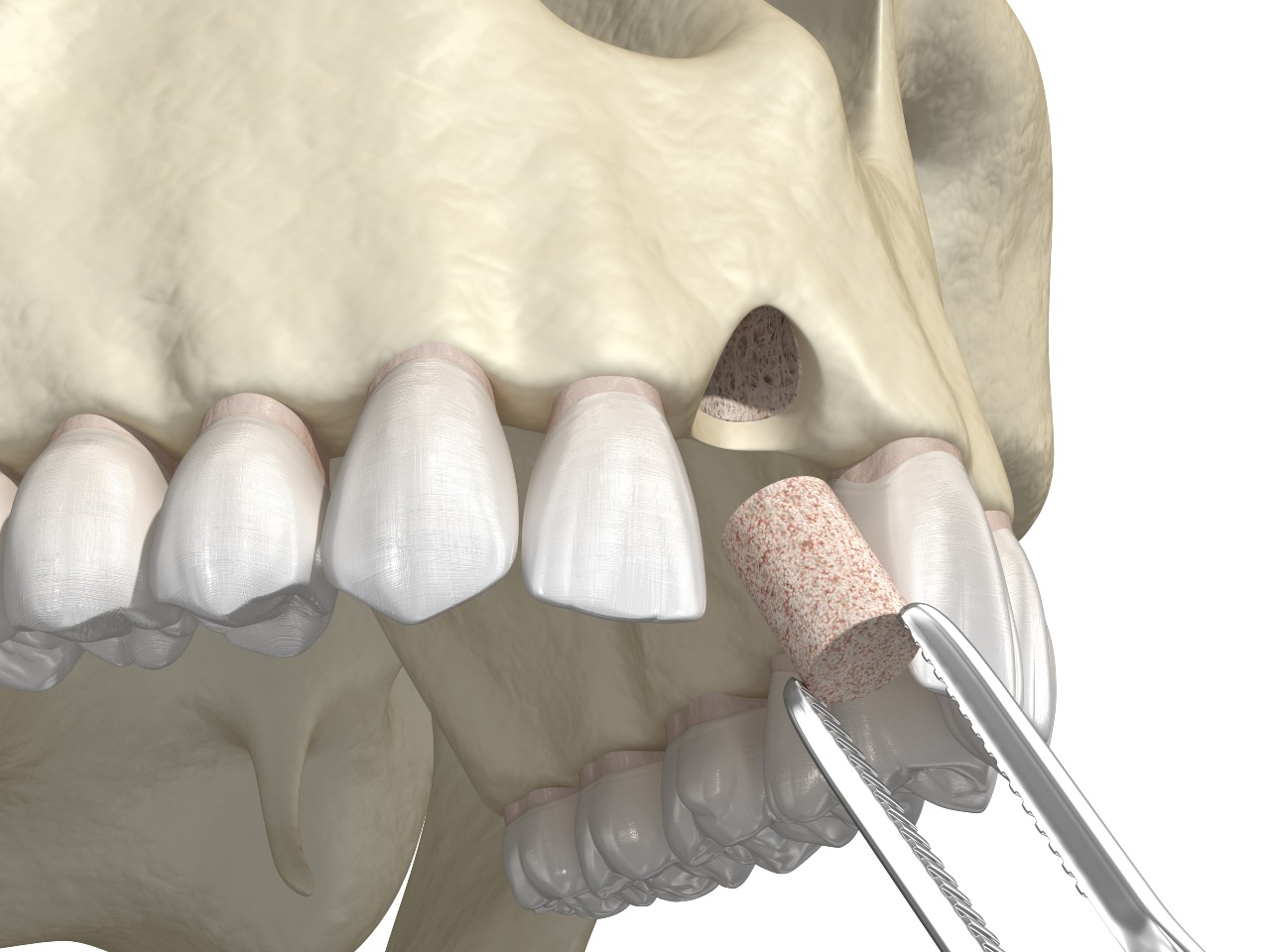
A dental bone graft is typically used for patients that have jawbone issues. Bone grafts are a common procedure and have been done for years. The procedure is relatively minor and can be done quickly. If patients have lost a tooth or have severe gum disease, bone grafts can be used to help restore your gums and jaw. Over time gum disease can progress if not treated and cause bone loss. This can affect your appearance, and cause your jaw to sag or look sunken in. At this point there is no bone left to support your face. Bone grafting can help to restore the support needed.

How Does Bone Grafting Work?

Typically, the procedure is done before your implant is placed. If you need to have a tooth removed that is done first, and then we will prepare the area for a bone graft if the patient does not have enough bone present to support the dental implant. This graft will help to create a stable base for your new tooth. Bone grafts can be taken from your own body, and are commonly taken from the back of the jawbone. Another option is to use a bone grafting material. This option is common because the patient does not need a surgical incision to reach the bone.

The area is cleaned and the bone grafting material is placed. Once the bone graft is complete the patient will need to heal for a few months before you can come back to have your implant placed. This gives the graft time to heal and develop new bone around the graft area. The procedure takes a few hours and is relatively simple.

What Can I Expect During Healing?

Some pain is expected after a bone graft procedure, but should subside after a few days. Patients can treat the area with a cold compress and take over the counter medications to help ease the pain. We recommend a liquid diet after your bone graft procedure. Slowly patients can introduce soft foods, and eventually resume their normal diet. Patients should avoid any strenuous activity that may affect the bone graft area during healing.

Interested in Finding Out More?

At Jesse Lanzon DDS MD, we offer may procedures to help you get the smile of your dreams. Bone grafting can help create a sturdy base for dental implants, and is a great option for patients who have bone loss. Our doctors have years of experience in oral surgery and we strive to provide the highest level of service to all of our patients.

To find out if bone grafting can benefit you, or to inquire about dental implants, contact Jesse Lanzon DDS MD, and our friendly staff will be happy to assist you.
Is Tooth Sensitivity Permanently Curable?

Tooth Sensitivity

Tooth sensitivity is a common problem, and many patients encounter pain or discomfort when they eat certain foods that are hot or cold. According to the Academy of General Dentistry, around 40 million adults suffer from sensitivity. Usually, the pain is temporary and can be treated to improve, but not cure the condition.

At Jesse Lanzon DMD MD, we provide many general dentistry services including treatment for patients that suffer from sensitivity. We strive to provide quality dental care in a caring and friendly environment, where patients can relax during their treatment. We welcome new patients to our practice, and look forward to you joining our dental family.

What Causes Tooth Sensitivity?

Tooth sensitivity can happen suddenly, and to anyone. Typically, symptoms of sensitivity include a sudden sharp pain when your teeth are exposed to cold, hot, or acidic foods. Tooth sensitivity can also come after you brush or floss your teeth. Teeth whitening can cause sensitivity after treatment, so patients should consider this when they are deciding to start a whitening regimen.

Our teeth are protected by enamel, and underneath the enamel is a layer of dentin. Dentin is soft, and if the enamel on your teeth is worn down, or your gums have receded the dentin can become exposed. Dentin can be exposed from cavities or cracks in your teeth. The dentin is connected to the nerve area, and this is what can cause pain or sensitive teeth.

Other Actions That Can Cause Sensitivity

  • Brushing too vigorously
  • Gum recession from periodontal disease
  • Gingivitis
  • Teeth grinding or clenching
  • Cracked or injured teeth
  • Plaque
  • Acidic foods or drinks
  • Dental procedures such as sensitivity after a filling
  • Teeth Whitening treatments

What Treatments Are Available for Tooth Sensitivity?

Tooth sensitivity can never completely go away, but there are treatments available that can help alleviate the sensitivity you experience. If you are experiencing any sensitivity, we recommend you make an appointment for an exam in our office. We can treat sensitivity easier if we know that is what is causing you pain. Never leave pain untreated as this could lead to more serious issues in the future.

Sensitivity Treatments

  • Using a toothpaste for sensitive teeth.
  • Changing to a soft bristled tooth brush.
  • Use a mouthwash that contains fluoride.
  • Avoid acidic foods or drinks.
  • Avoid clenching or grinding your teeth.
  • Inlays or bonding can help fix a tooth and decrease sensitivity.
  • Gum grafts can help protect the root area of the tooth.
  • Fluoride gel or varnish treatment can help protect your teeth from wear and tear.
  • Root Canal therapy if needed can help with severe tooth sensitivity, but this is typically the last resort.

Taking care of your teeth and knowing when to call your dentist is important. Patients should never have prolonged pain or sensitivity to hot or cold. It is always important to take care of your oral health, and practice good habits at home. At Jesse Lanzon DMD MD, your oral health is our priority, and we strive to provide our patients with quality and affordable dental services. Let our team help you take charge of your dental health.

Ready To Schedule Your Appointment?

If you are interested in finding out more about treatments for tooth sensitivity, contact Jesse Lanzon DMD MD, and our friendly staff will be happy to assist you.

Is it Likely for a Man to Die During Oral Surgery?

Oral Surgery

If you have been recommended for dental surgery it is normal to feel anxious or wonder about the safety of anesthesia. With any surgery there are risks involved. Asking questions is important, and knowing what the risks are is also another factor the patient should research before they move forward with surgery. At Jesse Lanzon, we provide safe and effective anesthesia methods only when necessary, for our patients. We safely monitor the patients during any oral surgery, and make sure they are comfortable.  Our team provides uncompromised safety using high end technology to give patients an exceptional experience when they visit our office.

What Are the Types of Anesthesia Used During Dental Surgery?

Local Anesthesia

Local anesthetics are commonly used in dentistry, and this is used to block the nerves so there is no pain. Local anesthesia is typically used for routine dental procedures such as fillings or crowns. Risks with this type of anesthesia are rare and this method is a great way to keep patients calm and relaxed during a procedure.

Sedation

Sedation dentistry is administered by breathing in nitrous oxide, medication, or via IV into the patient’s arm. This form of anesthesia allows the patient to be somewhat conscious during their procedure. Sedation dentistry is safe, and doctors undergo extensive training to be able to provide this service.

General Anesthesia

General anesthesia is typically done in a hospital setting, and requires an oral surgeon and anesthesiologist. This type of anesthesia can have side effects such as nausea or vomiting. The patient must be monitored closely while under general anesthesia.

A tube is used for breathing, and this tends to get in the way of dental surgery. Sedation is more commonly used because it can be controlled and reversed easier, compared to general anesthesia. Most dentists offer sedation dentistry because it is also easier to administer, and safely perform the surgery when the patient is somewhat conscious.

What Are the Risks Involved?

During your consultation we will thoroughly review your medical history and make sure you understand what is involved. We will discuss the method of sedation with you, so you are comfortable and know what to expect. Our doctors have extensive training in sedation dentistry, and this includes handling emergencies. Complications or death with anesthesia are rare, but it is always important to discuss your medical history before you undergo any surgery. Allergies and alcohol abuse are a common factor that could increase your risk for complications.

Complications of Anesthesia

  • Dizziness
  • Nausea
  • Vomiting
  • Swelling or numbness in the mouth
  • Swelling at the injection site

Dental surgeries are very common and when done by a skilled doctor, they are completely safe. At Jesse Lanzon, we provide an environment where patients can remain relaxed, and know they are in good hands.

Interested in Finding Out More?

If you are interested in finding out more about dental surgery contact Jesse Lanzon, and our staff will be happy to assist you.

How is a Broken Jaw Treated?

Broken Jaw

Jaws are an important part of our oral health and help us to function normally. Eating, speaking, breathing, and drinking are all essential functions of the jaw. When you have an injury to your jaw it is important to watch out for certain symptoms that may indicate you need to call an oral surgeon.

At Jesse Lanzon, we are trained to identify and treat jaw injuries or fractures. Our doctors have years of experience in oral surgery and jaw complications. We encourage patients that think they may have an issue with their jaw to contact our office, and be seen as soon as possible.

What Are the Symptoms of a Jaw Injury?

  • Swelling or bruising on your face
  • Protrusions on the side of your face
  • Pain that does not subside, or pain when you chew or move your jaw
  • Abnormal bite
  • A sudden overbite

If you have any of these symptoms, you should seek medical attention as soon as possible. If jaw fractures are not treated promptly an infection could develop.

What Are My Treatment Options?

Any jaw injury is treated as an emergency, and we encourage you to contact our office. Our doctor will meet with you, and evaluate the severity of your injury. A thorough exam will be done and x-rays will be taken. Depending on the issue, our doctor will try and move your jaw into the correct position. Local anesthetics may be used to help with pain, and allow our team work on your jaw.

If the break is severe, surgery may be required. Some jaw breaks can heal on their own if the patient can keep their jaw still. If there are multiple issues and fractures, the only solution may be oral surgery to repair the jaw.

What To Expect During Recovery?

After jaw surgery your mouth will be bandaged and wired shut. This helps to prevent you from moving the jaw and damaging the area that was fixed. Patients will not be able to use their jaw, or open their mouth for at least six weeks. We recommend a liquid diet with some soft foods only if the patient can chew them. Our staff will discuss recommended nutrition during your recovery. We want our patients to remain healthy and maintain their weight. Eating a nutritious diet to make sure you are consuming enough calories is important. Overall, the recovery will take several months until your jaw heals successfully.

Will There Be Any Long-Term Effects?

Most patients heal perfectly after their jaw surgery. The function of the jaw is restored, and they can go back to their normal routine. Some patients may experience side effects such as jaw pain or temporomandibular joint disorder. Protecting your jaw from future injury is important. Patients who have dislocated or broken their jaw are more susceptible to future injuries.

Do You Think You May Have A Jaw Injury?

If you suspect you may have a jaw injury, we encourage you to call our office to be seen right away. Jaw injuries are considered emergencies, and should always be treated promptly to avoid complications. At Jesse Lanzon, we are trained to handle any dental emergency, and want our patients to know they are in good hands.

To schedule your appointment contact Jesse Lanzon, and our friendly staff will assist you.

Why is it Important to Have an Emergency Dentist?

Emergency Dentistry

Knowing who to call in an emergency is extremely important. Doing your research ahead of time so you have a plan in place can help, and take some of the stress away. Dental emergencies can happen at any time, and knowing your dentist is close makes a big difference. Scrambling to find a dentist to handle your emergency last minute can cause delays and make the situation worse.

Why Is Finding an Emergency Dentist Ahead of Time Important?

There are various details you can research ahead of time that will help you out in a dental emergency. Talking with your dentist and understanding the emergency services they provide, as well as the hours of operation and locations available help tremendously.

  • Choose an emergency dentist in your area. This helps you get to your dentist quicker in an emergency.
  • Choose a dentist that provides services for families. If you or your children have a dental emergency it is convenient to be able to take everyone to the same dentist.
  • Ask what insurance your dentist accepts. You can call your insurance provider and ask for a list of dentists in your area that accept your plan. Knowing your dentist accepts your insurance ahead of time can help.
  • Make sure you ask if they have emergency hours and what their normal hours of operation are. Some dentists may only service emergencies at one location. Knowing where to go in an emergency is important and saves you time.
  • Inquire about what emergency services they provide. In many dental emergencies patients may need cosmetic dental work. If your dentist does not provide cosmetic services you may need to be referred to a cosmetic dentist.

Doing the research up front and knowing where to go ahead of time can help make you more prepared. Make sure your emergency dentist’s information is in a convenient place where you can access it at any time.

Interested in Finding Out More?

If you are interested in finding out what services we provide, or have questions about our emergency services, we encourage you to contact our office. Our staff is equipped to handle dental emergencies, and we provide emergency services to all of our patients. Your health is our priority, and we strive to always provide exceptional service.

For more information about our emergency services please contact our office, and our staff will be happy to assist you.