

What Can a Cosmetic Dentist Do?

Smilingmaninchairfeat

Cosmetic Dentists help enhance or improve the appearance of the teeth, gums, or jaw. When patients are not happy with their smile, or those who have chipped, cracked, or misshapen teeth, cosmetic dentistry can help give you that perfect smile. Cosmetic dentistry focuses on the overall appearance of a patient’s smile including the color, position, shape, and size of the teeth. Understanding what a cosmetic dentist can do will help you decide what type of dentist you may need.

Cosmetic dentistry offers many services to enhance your smile. We offer a detailed consultation process that allows our team to examine your teeth and mouth to determine the recommended treatment. We also take the time to let the patient explain their concerns, and what they like or dislike about their smile. Our team is there every step of the way to help guide our patients, and choose a treatment that works best for them.

What Cosmetic Services Are Available?

• Smile Makeovers
• Facial Rejuvenation
• Teeth Whitening
• Invisalign
• Gum Contouring
• Dental Crowns
• Porcelain Veneers
• Dental Bonding
• Dental Implants

Cosmetic dentistry can help brighten your smile, straighten your teeth, and make your teeth look more uniform and natural. If you have damage or an injury, you do not need to live with these issues. Cosmetic dentistry can help fix these imperfections. Missing teeth can be corrected, and you can enjoy a beautiful smile without anyone knowing you had missing teeth. Leaving missing teeth in your mouth can lead to bone loss or other complications, so it is important to address your issues as soon as possible.

Looking to Take That Next Step?

Taking that first step to call our office is all you have to do to get on the road to a beautiful smile you can be proud to show off. Creating beautiful smiles is what we do, and our team is here to provide the very best care available. Using the latest technology we can transform your teeth into a bright white smile.
If you are unhappy with your smile, or are interested in finding out what procedures are available, contact our office, and our staff will be happy to set up your consultation.

What Are the Types of Dental Implants?

Implant3

If you have been recommended for dental implants you may be overwhelmed with all of the implant choices available. Our team can help you choose which implant works best for you and discuss what your options are.

What Are Dental Implants?

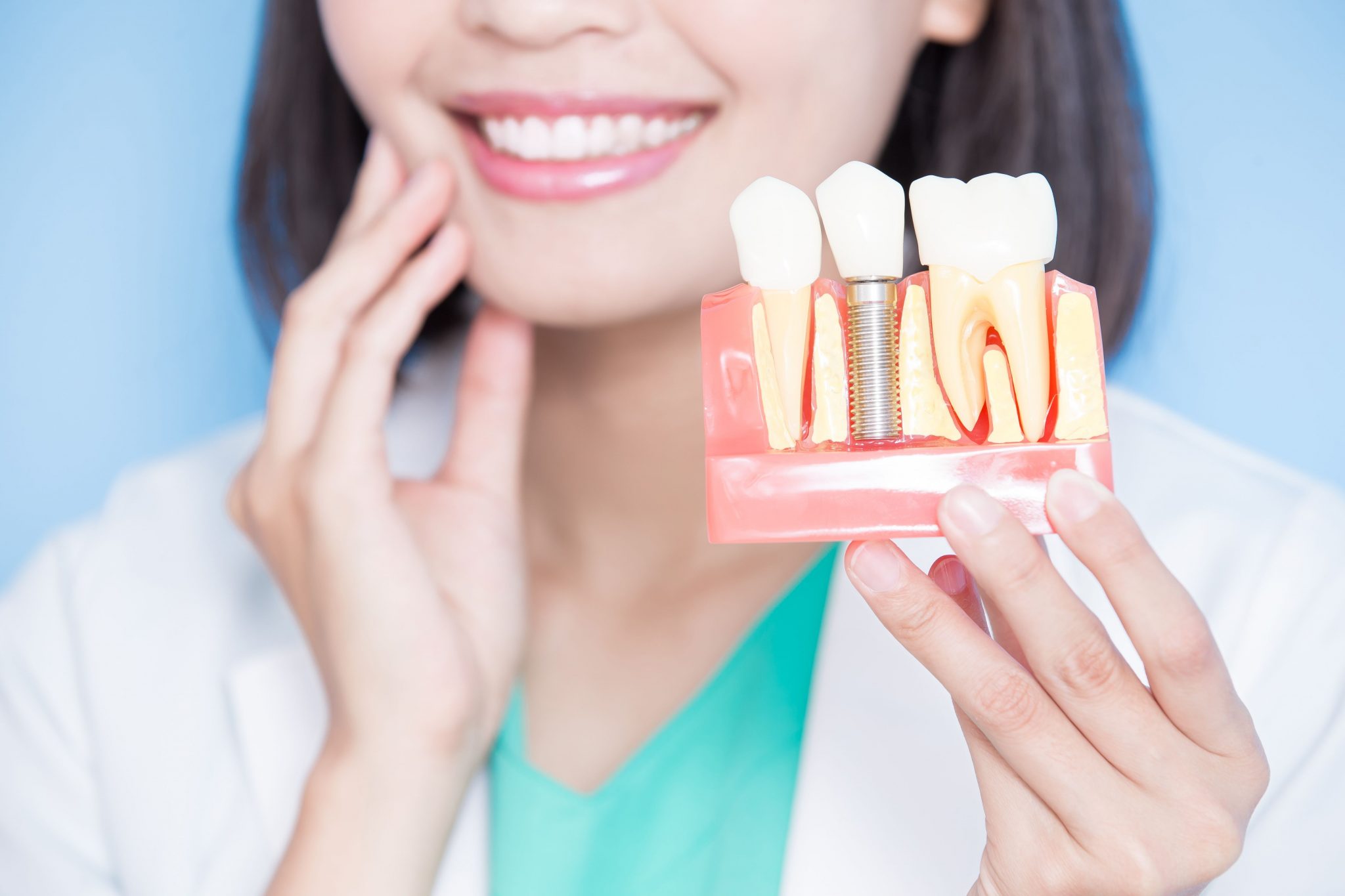
Dental implants are similar to an artificial tooth root that is placed in the jaw bone. The implants serve as a base for one or many artificial teeth or crowns. Implants can be used to help patients with missing teeth and can be personalized to fit each patient’s needs.

What Are The Types of Dental Implants?

Endosteal Implants

Endosteal implants are the most common type of dental implant used today. This type of implant acts like an artificial tooth root that is placed in the jaw bone. These implants create a base for one or many artificial teeth or crowns that are affixed on top. During the implant process healing time is needed for the implant to fuse to the jawbone. This type of implant is durable, long lasting, and a popular choice.

Subperiosteal Implants

Subperiosteal implants are a good alternative to endosteal implants. This type of implant sits on top of the jawbone, but is still under the gum line. Using a metal frame the post is attached and the gum then heals around the frame. This allows the implant to be held securely in place. Artificial teeth or crowns are then placed on top of the poles that are in the gum area. In many cases this type of implant is used if patients do not have enough jawbone to support endosteal implants. Bone grafting can be done to provide the additional bone needed, but some patients choose to not go through that process.

What Are My Alternatives?

If a patient’s jawbone cannot support dental implants there are techniques available to help rebuild the jawbone and create a stable foundation for implants.

  • Bone Augmentation – This procedure helps to restore or regenerate bone in the jaw when a patient does not have enough to support an implant. This process is very successful, and many patients choose this process in order to get those implants they have always wanted.
  • Sinus Lift – A sinus lift can add bone below the sinus cavity to help that area if bone has deteriorated.
  • Ridge Expansion – Bone grafting material can be added along the top of the jaw or small ridge to help make your jaw wide enough to support dental implants.

What Are Other Dental Implant Options?

  • Mini Dental Implants – Mini dental implants are similar to traditional dental implants, but they are used for smaller spaces. Patients that have naturally smaller teeth may find that mini dental implants fit them best. This procedure is less invasive and tends to be less expensive compared to other options. Mini dental implants are made of one solid piece that is screwed into the jawbone. Each implant has a ball on top and this allows the crown to be secured.
  • Immediate Load Dental Implants or Teeth In a Day – This type of implant process allows the placement of the crown or temporary tooth at the same time as the dental implant. Patients that have sufficient bone structure in the jaw are good candidates for this option.
  • All-On-4 Implants – All-on-4 implants provide patients with implants in just one appointment. With this option implants are not required for each tooth. Four implants are placed, and this makes the process easier and less invasive. Bone grafting is not needed with this option, and temporary teeth can be placed that same day. With this option there is a healing process while the implants fuse to the bone. Once the healing process is complete, permanent teeth can be placed.

Are You Interested in Learning More About Dental Implants?

Our staff is here to help you choose which dental implant option works best for you. With our high-end technology and implant surgical software, the implant process is faster and more efficient. Our team provides the very best care to our patients, and we are here to support you throughout the implant process.

To find out what dental implant option is best for you, contact our office and our friendly staff can schedule your consultation. Let us help you take that first step to a beautiful smile!

How Often do Dental Implants Need to Be Replaced?

Feature Image 3 Implants

If you have been recommended for dental implants, you may wonder if they will ever have to be replaced. Implants are a permanent restorative solution for patients seeking that perfect smile. Dental implants look and feel natural in the mouth, and last upwards of 25 years if they are cared for properly.


At Jesse Lanzon, DMD, dental implants are one of the most common restorative options done in our dental office in Camarillo, CA. Many patients are leaning towards this permanent option to give them a durable smile that will last for years. Dental implants can last your entire life, and they are one of the most reliable tooth restoration options available to patients.


However, some patients have asked us if having their teeth cleaned regularly can damage the enamel on our teeth. We hope that this article can help address this common concern.

How Successful Are Dental Implants?

Implants have a 95% success rate, and we encourage patients to use good oral hygiene habits to keep the implants clean and free of plaque. This helps the implants to last, and prevents infection which can make them unstable in the mouth. Implants moving or needing replacement is rare. If an implant shifts out of place this could indicate the bone tissue is not providing enough support, and you should contact our dental office in Camarillo, CA immediately.

What Are Dental Implants

Tips to Ensure your Dental Implants Last a Lifetime

Here are some helpful tips that you can start using to get the most out of your dental implants:

  • Floss daily using an implant specific floss or wax free floss to help keep the area clean and free of plaque. A Waterpik Water Flosser can be used to assist in removing plaque around the implants.
  • Use a low abrasive tooth brush such as a soft type brush on your implants.
  • Avoid any products, foods, or drinks containing any ingredients that may stain your teeth.
  • Anti-microbial rinses can be used to help reduce inflammation and prevent infection.
  • Avoid products that contain stannous fluoride, sodium fluoride, or baking soda. These ingredients can make the implants prone to corrosion.
Slide Img2

Contact Jesse Lanzon, DMD in Camarillo, CA

Caring for your implants at home is similar to caring for your natural teeth. Practicing good oral hygiene habits at home will ensure your implants last for years and never need to be replaced. Dr. Lanzon‘s friendly team is here to help you achieve the smile you have always wanted. We are always available to answer questions and help you every step of the way.

If you are interested in finding out more about dental implants in Camarillo, CA and how they may benefit you, contact Jesse Lanzon DMD to schedule your consultation with Dr. Lanzon!

How Many Days Should I Not Smoke After Oral Surgery?

Feature Image 5 Oral Surgery

Oral surgery requires healing time depending on the type of oral surgery and severity of the issue. Some common oral surgeries at Jesse Lanzon, DDS, MD in Camarillo, CA consist of tooth removal, repair from injury, jaw surgery, palate repair, biopsies, or dental implants. Any time you have an oral surgery procedure there are precautions patients must take in order to ensure proper healing. We want all of our surgeries to be a success, and once patients return home, we recommend patients follow our at home care instructions to ensure all goes well.

How Many Days Should I Not Smoke After Oral Surgery?

Many patients wonder how soon they can resume normal activity or common habits at home like smoking after oral surgery. Smoking is never recommended, but if the patient is a smoker we recommend they refrain from smoking at least 72 hours or 3 days after their surgery. During the patient’s healing period blood clots need to have time to form, and waiting to smoke ensures the mouth can heal. Smoking can disrupt the healing process, and makes the risk for complications higher. Complications such as dry sockets after tooth removal among other issues can occur if patients smoke.

Toxins from the cigarette can cause inflammation of the gums, additional pain, and swelling. Smoking causes delayed healing of oral tissue, and can lengthen the process all together. If you notice increased pain or swelling around the oral surgery area contact our dental office in Camarillo, CA immediately. Any prolonged pain after oral surgery or swelling should always be addressed.

Iaurvdfw.jpeg

What Can Help Avoid the Urge to Smoke During the Healing Period?

If patients want to avoid complications during the healing period nicotine patches can be used. Our oral surgeon in Camarillo, CA recommends to avoid any nicotine gum or chewing tobacco. Nicotine reduces blood flow to the skin and disrupts the area that is healing.

Distracting yourself with a new habit may help to avoid the urge to smoke during healing. Focus on healing and your oral hygiene routine at home to help keep your mind off the urge to smoke. We recommend rinsing with saltwater a few times a day and brushing gently while the area heals.

Treatment Room

Looking for an Oral Surgeon in Camarillo, CA?

If you are looking for a quality Camarillo oral surgeon or have questions about the healing process and need more information, our friendly staff is here to help.

To inquire more about oral surgery and how you can make the healing process easier, contact Dr. Jesse Lanzon to schedule your appointment at our oral surgery office in Camarillo, CA. Our team would be happy to assist you!